
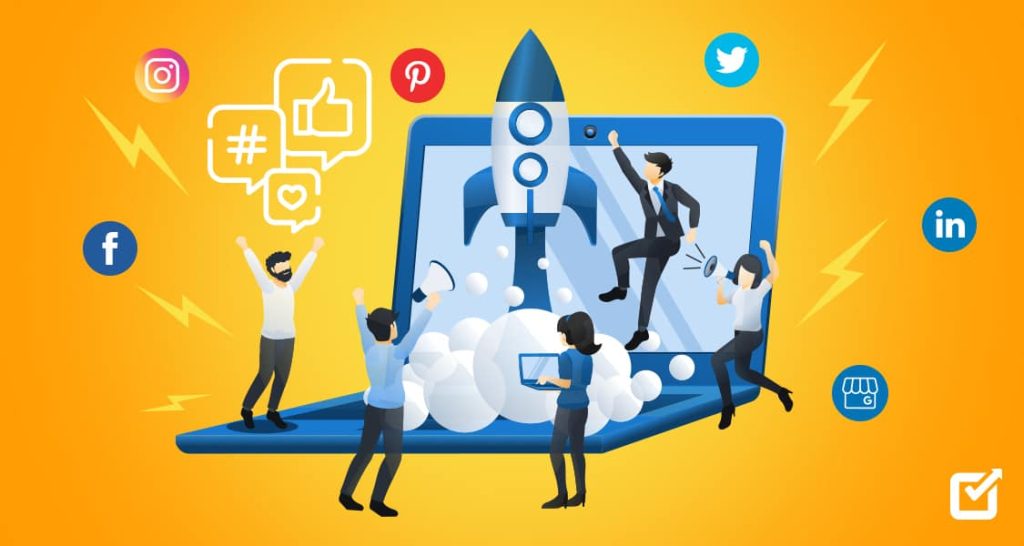
Social media automation for customer journey management involves leveraging advanced
tools to streamline, personalize, and optimize every interaction across digital channels. From
From initial engagement to long-term customer retention, automation enables brands to create
seamless experiences while minimizing manual effort.
By integrating automation into social media strategies, businesses can deliver personalized
content at scale, ensuring meaningful interactions without exhausting resources. This
approach is particularly effective in multi-channel marketing, where audiences engage across
platforms like Instagram, LinkedIn, Facebook, and email.
Why is Social Media Automation Essential?
In today’s fast-paced digital landscape, user expectations for personalized and timely
interactions are higher than ever. Automation is the key to maintaining engagement,
improving efficiency, and ensuring a seamless brand experience across multiple social
networks.
By automating repetitive tasks such as scheduling posts, responding to queries, and analyzing
customer interactions, brands free up valuable time to focus on strategy and high-value
customer engagement.
What Are the Key Benefits?
- Enhanced Efficiency
Social media automation eliminates time-consuming manual tasks and reduces the risk
of human errors. For example, an automated chatbot can respond to frequently asked
questions instantly, while scheduled content ensures a consistent online presence. - Higher Customer Engagement
By automating interactions like personalized DMs, comment responses, and targeted
content, businesses can foster stronger relationships with their audience. Automated
messages tailored to user behavior boost engagement and brand loyalty.
3 Steps to Automating Your Social Media Customer Journey
Step 1: Identify Key Customer Touchpoints
Mapping out every stage of the customer journey, from awareness to conversion, helps
identify critical moments where automation can enhance engagement.
How to do it: Use social media analytics, audience insights, and engagement data to
understand user behaviors and preferences. Tools like Google Analytics, CRM systems, and
automation platforms provide valuable insights into customer interactions.
Step 2: Implement Automated Workflows
Once key touchpoints are identified, setting up automation for social media marketing ensures
consistent communication. These workflows can include:
- Automated welcome messages for new followers
- Personalized DMs based on user activity
- Auto-responses to FAQs via chatbots
- Drip campaigns via social media messaging platforms
Step 3: Personalization Through AI-Powered Automation
Effective automation is all about delivering the right message at the right time. Instead of
generic messaging, brands should leverage AI-driven personalization to create unique
experiences.
Key segmentation factors include:
- User engagement patterns (e.g., frequent vs. occasional interactions)
- Geographic data for localized marketing
- Behavioral triggers based on past interactions
Leveraging Data for Hyper-Personalized Social Media Campaigns
Advanced social media automation tools collect and analyze vast amounts of data, enabling
hyper-personalized interactions. For instance, AI-powered recommendations can suggest
products based on browsing history, increasing conversion rates.